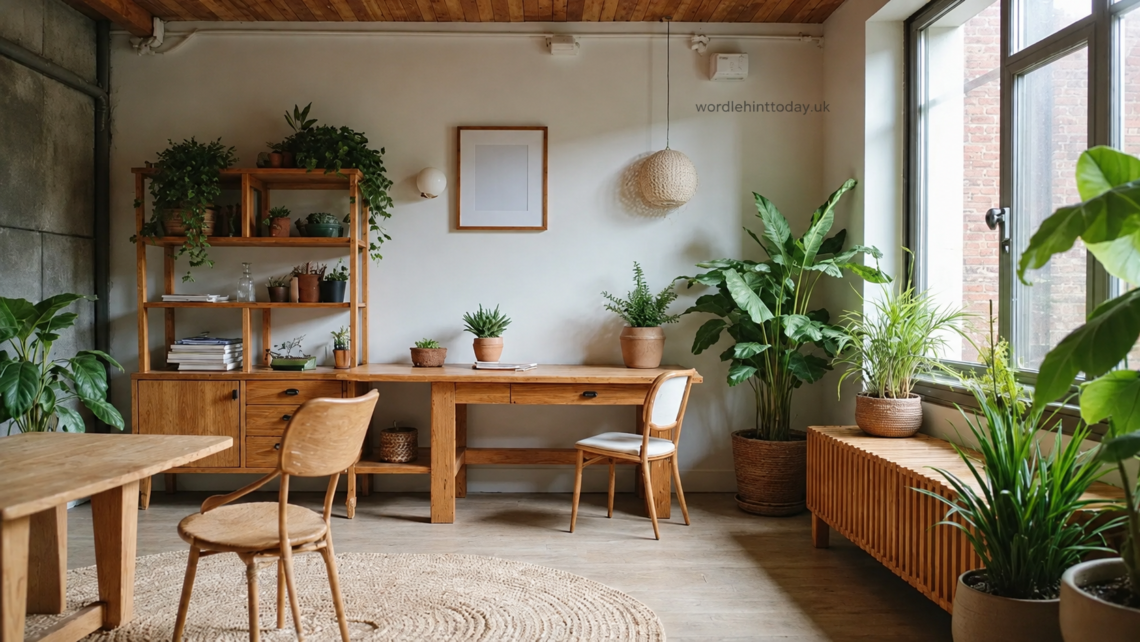
Decorating a home is about more than choosing attractive furniture or painting the walls in fashionable colors. It is about creating a comfortable, functional, and welcoming space that reflects your personality. The decoration guide Homenumental keyword points readers toward home decoration ideas, interior styling inspiration, and practical ways to improve living spaces. People searching for this phrase may want to understand how to organize a room, choose suitable colors, combine furniture, or make their homes look more appealing without spending too much money.
A successful decorating project does not always require expensive furniture, professional designers, or a complete renovation. Small improvements can make a noticeable difference when they are planned carefully. Better lighting, thoughtful furniture placement, attractive textiles, and a consistent color scheme can transform the appearance of a room.
This article explores the ideas associated with a decoration guide from Homenumental, along with practical home styling principles that readers can apply to their own spaces. It also explains how to decorate different rooms, avoid common mistakes, manage a budget, and create a home that looks beautiful while remaining easy to live in.
Important note: The exact current features, ownership, and published content of Homenumental have not been independently verified here. The guidance below focuses on general home decoration principles relevant to readers searching for this keyword.
Table of Contents
- What Is Decoration Guide Homenumental?
- Why People Search for Decoration Guide Homenumental
- Essential Principles of Home Decoration
- How to Choose the Right Colors
- Furniture Arrangement and Space Planning
- Decorating Different Rooms in Your Home
- Lighting, Textures, and Decorative Accessories
- Budget-Friendly Home Decoration Ideas
- Common Decorating Mistakes to Avoid
- Frequently Asked Questions
- Conclusion
What Is Decoration Guide Homenumental?
The phrase decoration guide Homenumental combines a home decoration topic with the name Homenumental. Readers searching for it may be looking for inspiration, practical decorating advice, or information about a home-focused online resource. Understanding that search intent helps explain the kinds of information that are most useful to someone exploring this keyword.
A home decoration guide generally provides ideas for improving the appearance and functionality of indoor spaces. These ideas can include selecting wall colors, choosing furniture, arranging artwork, improving lighting, and adding accessories that bring a room together. Some guides also cover outdoor spaces, seasonal decorations, storage solutions, and different interior design styles.
However, the phrase alone does not confirm which specific articles or services Homenumental currently offers. Readers should check the website itself before assuming that it publishes a particular category of content. In the meantime, general interior decorating principles provide a useful starting point for anyone who wants to improve a living space.
What Can a Home Decoration Guide Help You Do?
A useful decorating guide helps turn broad ideas into practical decisions. Instead of purchasing furniture simply because it looks attractive, readers can learn to consider room dimensions, everyday needs, available natural light, and the overall appearance they want to achieve.
It can also help homeowners and renters develop a consistent style. For example, someone who prefers a calm environment might choose neutral colors, natural materials, and simple furniture. Someone who enjoys a more expressive interior might use colorful cushions, distinctive artwork, and contrasting decorative objects.
The most valuable advice is advice that can be adapted to different budgets and homes. A small apartment, a family house, and a rented bedroom will not have identical requirements. A flexible approach allows readers to choose ideas that suit their circumstances rather than copying a design that may not work in their space.
Why People Search for Decoration Guide Homenumental
People often search for specific home decoration phrases when they need ideas for an upcoming project. They may be moving into a new home, updating an outdated room, preparing a property for guests, or simply looking for ways to make their surroundings more comfortable.
The keyword may also reflect an interest in finding an online source of decoration guide homenumentaldecorating inspiration. Searchers commonly want straightforward recommendations instead of complicated design terminology. They may prefer examples of color combinations, furniture arrangements, affordable accessories, and simple improvements they can complete themselves.
Another reason people explore home decoration decoration guide homenumental guides is that interior design can feel overwhelming. There are countless furniture styles, paint shades, materials, and accessories available. A clear guide helps narrow those choices by encouraging readers to begin with their needs, establish a budget, and make decisions one step at a time.
Finding Ideas That Match Your Personal Style
Before following a decorating trend, consider how you want your home to feel. A relaxing bedroom might benefit from soft colors and minimal visual clutter, while a living room used for entertaining could feature flexible seating and layered lighting.
It can help to collect photographs, color samples, and examples of furniture you like. After gathering several ideas, look for similarities. You may notice that you consistently prefer wooden furniture, warm colors, natural fabrics, or clean modern lines.
This process creates a practical design direction. Rather than buying unrelated items, you can select pieces that work together and contribute to a consistent atmosphere throughout the home.
Essential Principles of Home Decoration
Good home decoration starts with a few basic principles that apply to almost every room. These include decoration guide homenumental balance, proportion, color coordination, functionality, and visual harmony. Understanding these ideas makes it easier to create attractive interiors without needing professional design experience.
Balance means distributing visual weight throughout a room. For example, a large sofa on one side of a living room may look better when paired with an appropriately sized armchair, a floor lamp, or artwork on the opposite side. Balance does not require identical furniture on both sides. Different objects can work together when their sizes, colors, and shapes complement one another.
Proportion is equally important. Oversized furniture can make a small room feel cramped, while tiny furniture may look lost in a large space. Before buying anything, measure the room and consider how each item will fit. Leave enough space for doors to open, drawers to slide out, and people to move around comfortably.
Start With Function Before Appearance
Every room should serve its intended purpose. A living room may need comfortable seating for family members, while a home office requires a suitable desk, good lighting, and convenient storage. Decorating decisions should support these everyday activities rather than interfere with them.
Consider the people who use the space most often. Families with young children may prefer durable fabrics and furniture with rounded corners. People who work from home might need better task lighting and a quieter layout. Homes with limited storage can benefit from furniture that offers additional space for everyday belongings.
Once the functional requirements are clear, it becomes easier to select colors, materials, and accessories. This approach prevents unnecessary purchases and ensures that the finished room is practical as well as attractive.
Create a Consistent Interior Style
A consistent style helps different elements feel connected. Popular approaches include modern, traditional, minimalist, Scandinavian-inspired, rustic, and eclectic interiors. Each has its own characteristics, but none needs to be followed rigidly.
Modern interiors often feature clean lines, simple shapes, and decoration guide homenumental uncluttered layouts. Rustic rooms may emphasize natural wood, textured fabrics, and earthy colors. Minimalist spaces focus on essentials, while eclectic designs combine different influences through deliberate color and material choices.
You can also combine styles successfully. A contemporary sofa can look appealing beside a traditional wooden table when the colors, proportions, and finishes complement each other. The key is to create a clear visual connection instead of filling a room with unrelated items.
How to Choose the Right Colors
Color is one of the most noticeable elements of interior decoration. It affects how a room looks, how different materials appear, and the atmosphere people experience when they enter. Choosing a suitable palette early in the decorating process can make later decisions much easier.
Neutral shades such as white, beige, cream, gray, and soft brown are popular because they work with many furniture styles. They can also provide a flexible background for colorful cushions, artwork, rugs, and decorative objects. However, neutral interiors do not automatically look better than colorful ones. The best choice depends on personal taste, natural lighting, and the purpose of the room.
Before painting an entire wall, test a few sample colors. Paint often looks different under morning decoration guide homenumental sunlight, evening lighting, and artificial bulbs. A shade that appears warm in a store may look cooler or darker in your home. Testing samples on the actual wall helps reduce costly mistakes.
Use a Simple Color Palette
A practical starting point is to choose one main color, one supporting color, and one accent color. The main color can appear on walls or large furniture pieces. The supporting color can be introduced through curtains, rugs, or bedding. Accent colors can appear in smaller accessories.
For example, a living room might combine cream walls, medium-brown wooden furniture, and dark green cushions. Another room might use light gray, natural wood, and muted blue. These combinations create contrast without making the space feel visually crowded.
You do not have to apply a strict formula to every room. The purpose of a palette is to guide your choices and help different elements work together. If you enjoy bold colors, introduce them intentionally and repeat them in a few places to create a sense of unity.
Consider Natural and Artificial Light
Lighting changes the appearance of paint, furniture, and fabrics. Rooms decoration guide homenumental with limited daylight may benefit from lighter wall colors and carefully placed lamps. Bright rooms can accommodate deeper shades, although the final result depends on room size, window placement, and the finishes you choose.
Artificial lighting also matters. Warm-toned bulbs can make a room feel cozy, while cooler light may suit work areas where clear visibility is important. Different rooms may need different lighting arrangements rather than one identical solution throughout the home.
Whenever possible, examine paint and fabric samples under the lighting conditions in which they will be used. This small step helps you judge whether the colors complement each other throughout the day.
Furniture Arrangement and Space Planning
Furniture arrangement can change the entire feeling of a room without requiring any new purchases. A thoughtful layout improves movement, makes seating more comfortable, and helps each area feel organized. Before moving heavy items, sketch a simple floor plan or use paper cutouts to experiment with different arrangements.
In a living room, consider how people will talk, watch television, read, or entertain guests. decoration guide homenumental Seating should encourage comfortable interaction without blocking walkways. If the room has a natural focal point, such as a fireplace or a large window, arrange furniture to make use of it rather than automatically placing everything against the walls.
Small rooms need particular attention to scale. Furniture with exposed legs, narrow frames, and simple decoration guide homenumental shapes can create a lighter visual effect. Wall-mounted shelves and multifunctional tables can also save floor space. Nevertheless, compact furniture should still provide enough comfort for daily use.
Make Storage Part of the Design
Storage plays an important role in keeping a decorated room attractive. Even beautiful furniture can lose its impact when surfaces are covered with paperwork, clothing, cables, and miscellaneous belongings. A practical storage system helps maintain a clean appearance without requiring every item to be hidden.
Consider baskets, shelving, storage benches, drawer organizers, and cabinets that match the room’s style. Frequently used objects should remain accessible, while seasonal decorations and rarely used belongings can be stored elsewhere.
Avoid purchasing storage furniture before identifying what needs to be stored. Measuring available space and estimating the required capacity can prevent buying units that are too large, too small, or unsuitable for the room.
Leave Enough Space to Move
A room should not feel like an obstacle course. Walkways need to remain clear, and frequently used furniture should be easy to reach. Think about how people enter the room, move between seats, and access windows, cupboards, and doors.
Furniture placement should also account for electrical outlets, heating equipment, and other practical features. Avoid arrangements that make it difficult to use essential fixtures or maintain the space safely.
If a room feels crowded, try removing one unnecessary item before buying anything new. Sometimes, creating open space improves the overall appearance more than adding another decorative feature.
Decorating Different Rooms in Your Home
Each room has different requirements, so the best decorating approach depends on how the space is used. A bedroom should support rest, a kitchen needs practical work surfaces, and a living room often needs to accommodate several activities. Treating every room identically can produce a home that looks coordinated but does not function well.
A useful strategy is to establish a consistent decoration guide homenumental overall palette while allowing individual rooms to have their own character. For example, natural wood might appear throughout the home, while each room uses different accent colors. Repeating a few materials or finishes creates continuity without making every space look the same.
It is also worth considering maintenance. Kitchens and entryways often experience more dirt and moisture than bedrooms. Choosing suitable finishes and washable materials can help your home remain attractive after the decorating project is complete.
Living Room Decoration
The living room is often a central gathering space, making comfortable seating and decoration guide homenumental practical furniture placement essential. Start with the sofa and other large pieces, then add a rug, side tables, lighting, and accessories as needed.
A rug can help define a seating area, especially in an open-plan home. Curtains can add softness, while cushions and throws introduce color and texture. Artwork or a carefully styled shelf can create visual interest without requiring extensive renovation.
Keep the room balanced by limiting the number of decorative objects on tables and shelves. A few meaningful pieces often look more intentional than a collection of items competing for attention.
Bedroom Decoration
A bedroom should feel comfortable and restful. Start with a suitable bed, quality bedding, practical bedside surfaces, and lighting that supports your routine. Soft colors and natural textures can create a calming atmosphere, although personal preferences should guide the final choices.
Curtains or blinds should provide the level decoration guide homenumental of privacy and light control you need. Blackout window coverings may be useful for people who prefer a darker sleeping environment, while layered window treatments can offer greater flexibility during the day.
Avoid filling the bedroom with unnecessary furniture. Clear bedside tables, accessible storage, and an uncluttered layout make the space easier to maintain. Decorative items can still add personality, but they should not interfere with comfort or movement.
Kitchen and Dining Area Decoration
Kitchens benefit from a combination of attractive finishes and practical organization. Keep frequently used tools accessible, maintain clear preparation surfaces, and choose accessories that are easy to clean. Small changes, such as coordinated storage containers or updated cabinet handles, can refresh the appearance without replacing the entire kitchen.
In dining areas, the table and chairs should fit the available space. Leave enough room to pull out chairs comfortably and move around the table. A pendant light above the dining table can provide focused illumination, provided it is installed at an appropriate height and does not obstruct movement or sightlines.
Decorative bowls, simple centerpieces, and washable table textiles can add character. However, avoid overcrowding surfaces that are needed for cooking, serving food, or everyday family activities.
Lighting, Textures, and Decorative Accessories
Lighting, textures, and accessories help transform a room from a basic functional space into a welcoming interior. Even when the furniture and wall colors are simple, these finishing touches can add depth and personality. A successful decorating plan considers how these elements work together instead of treating them as separate purchases.
Layered lighting is a useful approach. It decoration guide homenumental combines general lighting for everyday activities, task lighting for specific jobs, and accent lighting for decorative features. A ceiling light can illuminate the room, a table lamp can provide comfortable reading light, and a small spotlight can highlight artwork or shelving.
Textures are equally valuable because they create visual interest without requiring strong colors. Wooden surfaces, woven baskets, linen curtains, soft rugs, and ceramic accessories can complement one another. Mixing a few different materials often makes a room feel more complete than using identical finishes everywhere.
Choose Accessories With Purpose
Accessories provide an opportunity to express your personality. Family photographs, framed prints, plants, books, decorative bowls, and travel souvenirs can make a home feel individual rather than staged. Choose items that have meaning or contribute to the room’s overall appearance.
Consider scale when arranging decorative decoration guide homenumental objects. A tiny picture may look out of place above a large sofa, while an oversized accessory can overwhelm a narrow shelf. Grouping objects of different heights can create interest, but leaving some empty space helps each item stand out.
Plants can also introduce color and natural texture. Select varieties suited to your indoor light conditions and maintenance preferences. If live plants are impractical, other natural materials can provide warmth without requiring regular care.
Budget-Friendly Home Decoration Ideas
Decorating on a budget does not mean accepting an unattractive home. It means deciding decoration guide homenumental which improvements matter most and using available resources carefully. A clear budget helps prevent impulse purchases and makes it easier to prioritize changes that provide the greatest practical benefit.
Start by reviewing the furniture and accessories guide homenumentalyou already own. A different furniture arrangement, cleaner windows, organized shelves, or freshly washed curtains may improve a room at little cost. Before replacing anything, consider whether it can be repaired, cleaned, repainted, or reused in another room.
It is also sensible to divide a larger project into stages. You might begin with lighting and storage, update the wall color later, and purchase additional accessories when your budget allows. This approach spreads costs over time and gives you an opportunity to evaluate each improvement before making further changes.
Refresh Existing Furniture
Older furniture can often be improved with relatively simple updates. Repainting a suitable wooden table, replacing cabinet handles, or changing cushion covers can create a fresh appearance without the cost of buying new pieces.
Before starting a furniture project, check the material and condition of the item. Not every surface is suitable for every paint or finish, so follow the product instructions and prepare the surface correctly. For valuable antiques or damaged furniture, professional restoration may be more appropriate.
Repurposing furniture can also help you use space more effectively. A decoration guide homenumental small table might work as a bedside unit, while a sturdy cabinet could provide additional storage in a home office. Consider stability, size, and function before moving an item into a different role.
Shop Carefully and Compare Options
When purchasing new decorations, compare prices, measurements, materials, and return policies. An inexpensive item is not necessarily a good value if it breaks quickly or does not fit the intended space. Durable, versatile pieces can provide better long-term value.
Secondhand shops, local markets, and online resale decoration guide homenumental platforms may offer furniture and accessories at lower prices. Inspect items carefully, especially upholstered furniture, electrical products, and anything with structural damage. Check cleanliness, safety, and repair requirements before buying.
Finally, avoid purchasing everything at once. Living with a new arrangement for a few days can reveal what the room actually needs. You may discover that a lamp, a small storage unit, or one carefully chosen artwork is enough to complete the space.
Common Decorating Mistakes to Avoid
One common mistake is buying furniture or accessories before measuring the room. A decoration guide homenumental beautiful sofa may not fit through the doorway, and a large dining table can make a compact area difficult to use. Measure both the room and the furniture, including doorways and access routes, before making significant purchases.
Another mistake is following trends without considering personal needs. Popular colors and decorative styles can provide inspiration, but they should not dictate every decision. If a fashionable design does not suit your lifestyle, available space, or maintenance preferences, it may become frustrating rather than enjoyable.
Overdecorating is another issue. Too many accessories, competing patterns, and unrelated colors can make a room feel disorganized. A more effective approach is to choose a few focal points and allow other elements to support them. Editing a room by removing unnecessary items can be just as valuable as buying new decorations.
Ignoring Lighting and Everyday Comfort
A room may look attractive in photographs but feel uncomfortable in daily use. Poor lighting, insufficient seating, unsuitable furniture heights, and blocked walkways can undermine even a carefully planned design.
Test how the room functions at different times of the day. Consider whether you have enough light for reading, whether the seating supports comfortable conversations, and whether frequently used items are easy to access.
Comfort should remain a priority throughout the decoration guide homenumental decorating process. A home is not simply a display space. It should support the routines, preferences, and practical needs of the people who live there.
Spending Too Much on Unnecessary Changes
A complete makeover is not always the best solution. Replacing functional furniture, removing sound fixtures, or renovating an entire room may add expense without improving everyday life.
Identify the main problem before deciding on a solution. If a room feels dark, better lighting or lighter window treatments may help. If it feels cramped, removing unnecessary furniture might work better than buying compact storage products.
Set a realistic spending limit and keep some money available for unexpected costs. Prioritizing practical improvements helps you achieve a satisfying result without putting unnecessary pressure on your finances.
Frequently Asked Questions
1. What Is Decoration Guide Homenumental?
Decoration guide Homenumental is a search phrase decoration guide homenumental associated with home decoration and interior styling. People using it may be looking for design inspiration, practical decorating advice, or information about Homenumental. The exact current content and features of the named resource should be checked directly rather than assumed from the keyword alone.
2. How Can I Decorate My Home on a Small Budget?
Start by rearranging existing furniture, decluttering surfaces, and improving lighting. You can also refresh cushion covers, repaint suitable furniture, or introduce affordable artwork. Focus on the changes that solve your biggest problems before purchasing additional decorations.
3. Which Colors Make a Home Look More Attractive?
There is no single color scheme that suits every home. Neutral shades provide a versatile foundation, while accent colors add personality. Consider natural light, room size, existing furniture, and your preferred atmosphere before choosing paint and fabrics.
4. How Can I Make a Small Room Look Bigger?
Use appropriately sized furniture, maintain clear walkways, decoration guide homenumental and avoid unnecessary clutter. Mirrors can reflect light and create a greater sense of visual depth when placed thoughtfully. Lighter colors and well-planned lighting may also help a compact room feel more open.
5. Do I Need a Professional Interior Designer?
Not necessarily. Many straightforward decorating projects can be completed independently with careful planning, measurements, and a realistic budget. However, a professional may be useful for complex renovations, difficult layouts, structural changes, or projects requiring specialist knowledge.
Conclusion
A well-planned home decoration project can improve both the decoration guide homenumental appearance and everyday comfort of your living space. From selecting suitable colors and arranging furniture to introducing layered lighting and affordable accessories, small decisions can have a meaningful impact when they work together.
The decoration guide Homenumental keyword reflects an interest in finding useful home styling ideas and practical interior design advice. Readers exploring this topic should look for guidance that is clear, adaptable, and appropriate for their individual needs. The specific offerings of Homenumental should be verified directly before making claims about its website or services.
The most important principle is to decorate with purpose. Understand how each room will be used, establish a manageable budget, choose materials that suit your lifestyle, and avoid buying items simply because they are fashionable. With thoughtful planning and a little creativity, you can create a home that feels attractive, organized, comfortable, and genuinely yours.