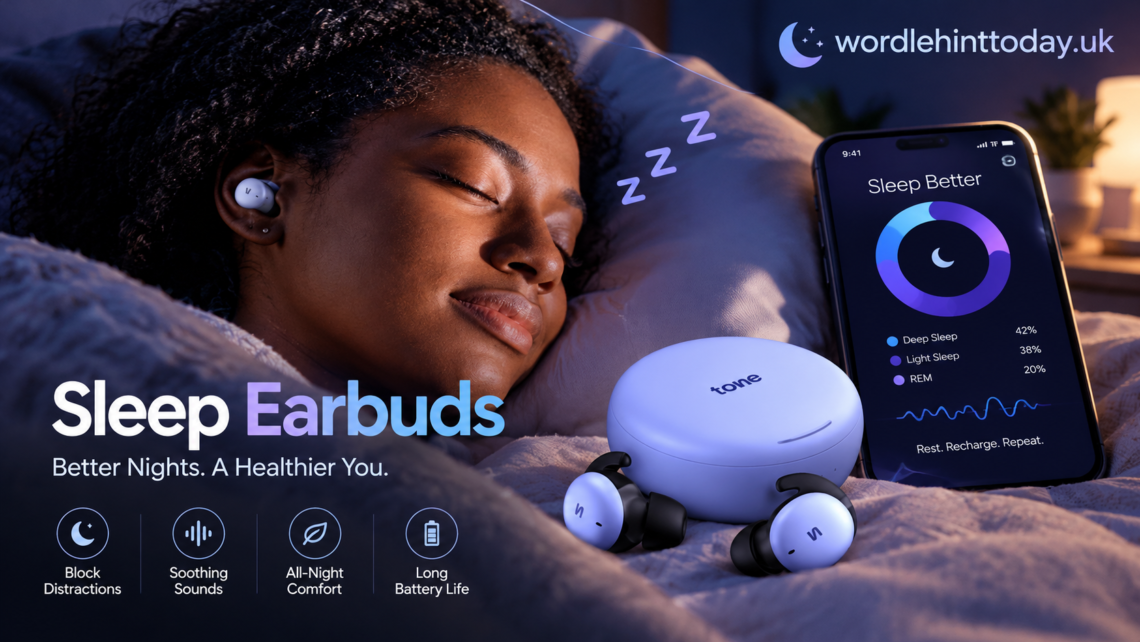
Sleep earbuds are designed for people who want a quieter and more comfortable sleeping environment. Whether you struggle with traffic noise, a snoring partner, noisy neighbors, or difficulty relaxing at night, the right pair may help you create a more peaceful bedtime routine. Unlike regular wireless earbuds, sleep earbuds focus on comfort, a secure fit, and features that work well while lying down.
However, not every pair is suitable for sleeping. Some models focus on blocking outside noise, while others play calming sounds, white noise, or relaxing music. Choosing the right option depends on your sleeping position, personal preferences, budget, and sensitivity to noise.
In this guide, we explain what sleep earbuds are, how they work, their main benefits, and the features worth considering before buying. We also cover safety, comfort, battery life, cleaning, and common questions to help you make an informed decision.
Table of Contents
- What Are Sleep Earbuds?
- Why Do People Use Sleep Earbuds?
- Main Features to Look For
- Types of Sleep Earbuds
- Benefits of Using Sleep Earbuds
- How to Choose the Right Sleep Earbuds
- Are Sleep Earbuds Safe to Use?
- Tips for Getting the Best Experience
- Frequently Asked Questions
- Conclusion
What Are Sleep Earbuds?
Sleep earbuds are small listening devices designed to make nighttime listening more comfortable. They can play relaxing audio, mask distracting sounds, or provide passive noise isolation. Some models also include active noise cancellation, allowing them to reduce certain background noises electronically.
Regular wireless earbuds are usually designed for music, calls, and everyday entertainment. They may have protruding bodies that press against the ear when someone sleeps on their side. Sleep earbuds generally prioritize a low-profile shape and a comfortable fit that causes less pressure when the head rests against a pillow.
These devices come in different designs, sizes, and price ranges. Some focus on simple sound playback, while others offer dedicated sleep modes, adjustable audio settings, and companion applications. The available features depend on the individual product, so it is important to check the specifications before purchasing.
How Do Sleep Earbuds Work?
Sleep earbuds work by delivering audio directly into the ears. Users can listen to rain sounds, ocean waves, white noise, soft music, guided relaxation, or other calming recordings. These sounds may help some people pay less attention to distracting background noise.
Certain models also reduce outside sounds through their physical design. Soft ear tips create a seal inside the ear canal, which can limit the amount of environmental noise that reaches the listener. Active noise cancellation uses microphones and electronic processing to reduce some external sounds, although it does not eliminate every noise.
The effectiveness of sleep earbuds depends on their design, fit, and intended use. A pair designed for sound masking may perform differently from one designed primarily for noise cancellation. Understanding these differences makes it easier to select a suitable product.
Why Do People Use Sleep Earbuds?
People search for sleep earbuds for several reasons, but the most common goal is to make bedtime less distracting. Noise from traffic, household activity, nearby construction, or other people can interrupt relaxation. Listening to steady background sounds may help some individuals feel more comfortable in these environments.
Another reason is the desire to establish a consistent nighttime routine. Some people enjoy listening to quiet music, nature recordings, or guided breathing exercises before bed. Sleep earbuds can make these activities more convenient without playing sound through a speaker that might disturb someone else.
Sleep earbuds can also appeal to people who share a bedroom. A partner may prefer silence while another person enjoys soft audio. Individual listening devices provide a practical way to accommodate different preferences without requiring changes to the entire room.
Can Sleep Earbuds Help You Fall Asleep?
Sleep earbuds may help some people relax by reducing distractions and creating a familiar listening environment. For example, someone who finds unpredictable household noises distracting might prefer steady rainfall or gentle white noise.
However, sleep earbuds are not a guaranteed solution for insomnia or other sleep difficulties. Their effectiveness varies from person to person, and evidence supporting particular sounds or devices is not equally strong for every product. Comfortable bedding, regular sleep schedules, and a suitable bedroom environment remain important.
If you regularly struggle to fall asleep, wake frequently during the night, or feel excessively tired during the day, consider speaking with a healthcare professional. Persistent sleep problems may have causes that earbuds alone cannot address.
Main Features to Look For
The best sleep earbuds are not necessarily the most expensive models. A suitable pair should match your sleeping position, preferred listening habits, and sensitivity to outside noise. Understanding the main features can help you compare products more effectively.
Comfort and Low-Profile Design
Comfort is one of the most important considerations when choosing sleep earbuds. A bulky design may feel acceptable while sitting upright but become uncomfortable when your head presses against a pillow. Low-profile earbuds are often a better option for people who sleep on their sides.
Pay attention to the materials and shape of the ear tips. Soft silicone tips are common, and some products include multiple sizes to help users find a secure fit. The correct size should feel comfortable without creating excessive pressure inside the ear canal.
If possible, check whether the manufacturer specifically recommends the product for overnight use. Earbuds designed for workouts or general listening may not provide the same comfort as dedicated sleep models.
Noise Cancellation and Sound Masking
Noise cancellation and sound masking are different features. Active noise cancellation uses electronic processing to reduce certain incoming sounds. Passive noise isolation relies on the physical fit of the earbuds to limit outside noise.
Sound masking works differently. It introduces a consistent sound, such as white noise or rainfall, that can make sudden or irregular noises less noticeable. This approach may be useful for people who find changing background sounds distracting.
Neither method guarantees complete silence. Voices, alarms, loud impacts, and other sudden sounds may still be audible. Consider your environment before deciding which feature matters most.
Battery Life and Playback Options
Battery life matters because sleep earbuds may be used for several hours at a time. A model with insufficient battery capacity could stop playing audio before the night ends. Always check the manufacturer’s stated playback time and remember that actual performance may vary with volume and enabled features.
Some products support Bluetooth streaming from a phone, while others offer built-in sounds or dedicated sleep modes. Built-in playback can be useful if you prefer not to leave your phone playing audio overnight. Bluetooth models may offer more flexibility for music, podcasts, and relaxation applications.
A charging case is another practical feature. It keeps the earbuds protected when they are not being used and makes regular charging easier. Look for clear information about charging time, battery performance, and whether the earbuds can operate while charging.
Types of Sleep Earbuds
Sleep earbuds are available in several categories. Each type has advantages and limitations, so the right choice depends on what you want to achieve during the night.
Dedicated Sleep Earbuds
Dedicated sleep earbuds are designed specifically for nighttime comfort. Many have compact bodies intended to reduce pressure when the wearer rests against a pillow. Some also include sound libraries or features that support bedtime routines.
These products may suit people who want a device primarily for sleeping rather than everyday music listening. However, features differ between models, and not every dedicated sleep earbud offers active noise cancellation or built-in playback.
Before purchasing, examine the product dimensions, ear-tip options, battery specifications, and return policy. Comfort is personal, so a device that works well for one sleeper may not suit another.
Standard Wireless Earbuds
Standard Bluetooth earbuds can be convenient because many people already own them. They typically support music, podcasts, audiobooks, and other audio from a smartphone. Some models also include noise cancellation.
The main limitation is physical comfort. Designs with large outer housings or protruding controls can press against the ear when lying on a pillow. Battery life and automatic controls may also be less suitable for overnight use.
If you want to use regular wireless earbuds for sleeping, test their comfort while lying down before relying on them throughout the night. Avoid forcing a poor fit simply because you already own the device.
Sleep Headphones and Headbands
Sleep headphones are not always earbuds in the traditional sense. Some use flat speakers inside a soft fabric headband that fits around the head. Others resemble lightweight headphones with slim components intended for use in bed.
These designs can be appealing to side sleepers who dislike having anything inserted into their ear canals. They may also be suitable for people who prefer a fabric-covered listening device.
However, headbands can become warm, shift during the night, or require regular washing. Compare the fit, fabric, sound quality, and cleaning instructions before choosing this alternative.
Benefits of Using Sleep Earbuds
One major benefit of sleep earbuds is personalized listening. You can choose audio that suits your preferences without filling the entire bedroom with sound. This can be especially helpful when sharing a room with someone who prefers a different environment.
Another potential benefit is reduced awareness of distracting noises. Steady background sounds may make some environmental disturbances less noticeable. A comfortable listening routine may also help people transition from busy evening activities to a quieter bedtime.
Convenience is another advantage. Small wireless devices are easy to store, and many models come with portable charging cases. Some offer adjustable volume, sleep timers, or dedicated audio options, making it easier to customize the experience.
Nevertheless, benefits depend on the individual and the product. Sleep earbuds cannot eliminate all environmental noise, guarantee uninterrupted rest, or replace treatment for an underlying sleep disorder. Their value is greatest when they address a specific problem without creating discomfort or other risks.
How to Choose the Right Sleep Earbuds
Start by identifying the main reason you want sleep earbuds. If your biggest problem is unpredictable background noise, compare noise isolation and sound-masking features. If you enjoy relaxing audio, focus on sound quality, playback options, and the ability to set a sleep timer.
Next, consider your sleeping position. Side sleepers should generally prioritize a low-profile design that does not create painful pressure against a pillow. Back sleepers may have more flexibility, although a secure and comfortable fit remains important for everyone.
Budget is another factor. More expensive products may offer specialized features, but a higher price does not automatically mean better comfort or improved sleep. Compare the features you genuinely need instead of paying for functions you may never use.
Finally, check the product’s specifications and support information. Look for details about battery life, ear-tip sizes, cleaning requirements, warranty coverage, and return options. Reading reviews can help identify recurring comfort issues, but remember that personal experiences are subjective and may not reflect your own needs.
Are Sleep Earbuds Safe to Use?
Sleep earbuds can be suitable for some people when used carefully, but overnight use requires attention to comfort, sound levels, and ear hygiene. Keeping the volume low is important because prolonged exposure to loud sound can contribute to hearing damage. The World Health Organization recommends managing both listening volume and exposure duration to protect hearing.
Wearing earbuds for extended periods may also trap moisture and interfere with the ear’s natural cleaning process. Depending on the fit and individual sensitivity, this can contribute to irritation, discomfort, or problems such as earwax buildup. Clean the devices according to the manufacturer’s instructions and never insert them farther into the ear canal than intended.
Another consideration is awareness of important sounds. Noise-isolating earbuds and audio playback may make alarms, a child’s cries, emergency alerts, or other environmental sounds harder to hear. People who need to remain responsive overnight should consider this limitation before using them.
If you experience ear pain, persistent itching, discharge, reduced hearing, or unusual pressure, stop using the device and seek appropriate medical advice. People with existing ear conditions should consult a healthcare professional if they are unsure whether overnight earbuds are suitable.
Tips for Getting the Best Experience
A gradual approach can help you determine whether sleep earbuds work for you. Begin by wearing them for a short period before bedtime. Check for pressure, irritation, and discomfort while sitting, lying down, and changing positions.
Keep the volume as low as reasonably possible. If you use white noise or nature sounds, choose a comfortable level that masks distractions without becoming the main focus of your attention. A sleep timer may be useful if you prefer audio only while falling asleep.
Good maintenance also matters. Clean reusable ear tips according to the manufacturer’s guidance, dry them thoroughly when required, and store the earbuds in their case. Avoid sharing in-ear devices, particularly when ear hygiene is a concern.
You should also consider your wider sleep environment. Dark curtains, comfortable bedding, a consistent bedtime, and reduced evening caffeine may support better sleep habits. Earbuds can complement these practices, but they should not become the only strategy for managing persistent sleep difficulties.
Frequently Asked Questions
1. Are sleep earbuds better than regular earbuds?
Sleep earbuds are often better suited to overnight use because their designs prioritize comfort and a low profile. Regular earbuds may still work for some people, but bulky housings can create pressure when lying on a pillow. The best option depends on your fit, sleeping position, and listening needs.
2. Can I wear sleep earbuds all night?
Some models are designed for extended nighttime use, but that does not mean every pair is comfortable or appropriate for every sleeper. Keep the volume low, maintain ear hygiene, and follow the manufacturer’s instructions. Stop using them if they cause pain, irritation, or other symptoms.
3. Do sleep earbuds block snoring?
Sleep earbuds may reduce awareness of snoring through passive noise isolation, active noise cancellation, or sound masking. Their effectiveness depends on the snoring intensity, earbud design, and fit. They may not eliminate the sound completely, particularly when snoring is loud or irregular.
4. Are sleep earbuds suitable for side sleepers?
Yes, some sleep earbuds are designed with compact, low-profile shapes that can be more comfortable for side sleepers. Look for soft ear tips and a design that minimizes pressure against the pillow. Testing the fit is important because ear shapes and comfort preferences vary.
5. What sounds are best for sleep earbuds?
Popular options include white noise, rainfall, ocean waves, gentle instrumental music, and guided relaxation recordings. There is no single sound that works best for everyone. Experiment with different options at a low volume and choose the one that feels least distracting.
Conclusion
Sleep earbuds can be a useful option for people who want a quieter, more comfortable bedtime environment. They offer different approaches to nighttime listening, from passive noise isolation and active noise cancellation to white noise and relaxing audio.
When choosing sleep earbuds, prioritize comfort, especially if you sleep on your side. Check battery life, playback features, ear-tip sizes, cleaning requirements, and product specifications before buying. Use a comfortable volume, maintain good ear hygiene, and remain aware that earbuds may make important environmental sounds harder to hear.
Ultimately, the best sleep earbuds are the ones that meet your specific needs without causing discomfort or compromising safety. Combined with healthy sleep habits, they may help make your nighttime routine more relaxing and convenient.