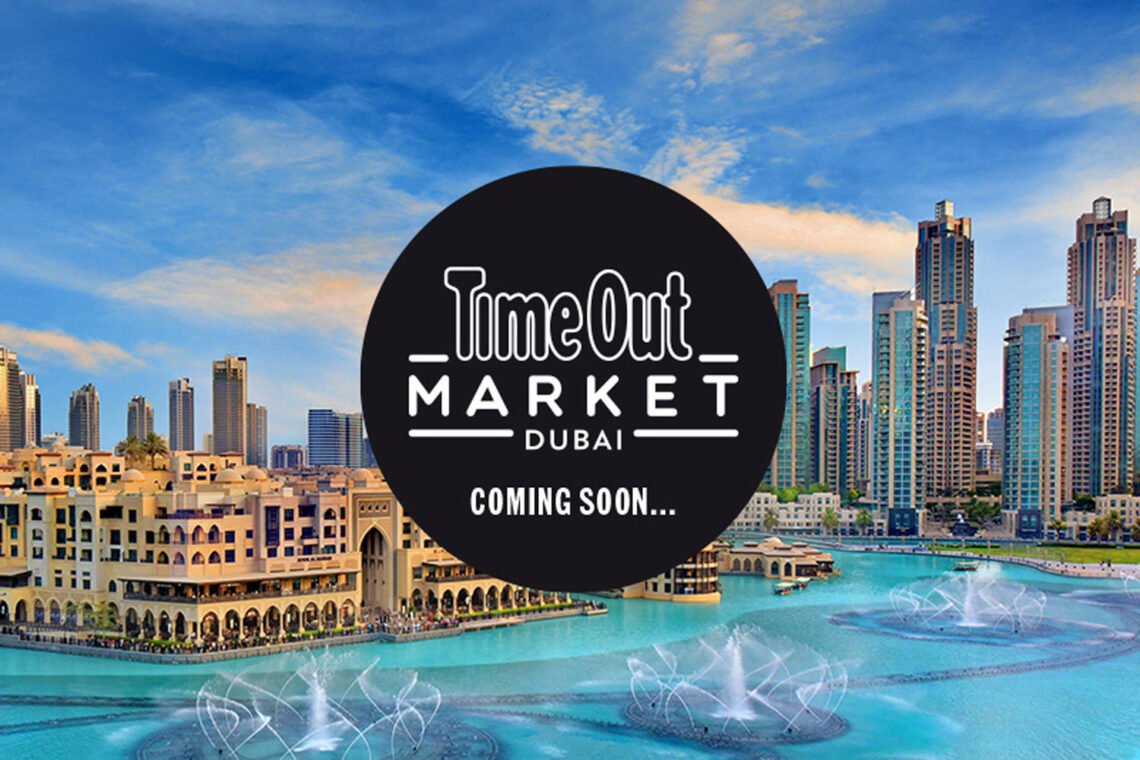
In a world where people are always looking for new places to eat, shop, relax, and spend time with friends, the idea behind a Timeout Market has become increasingly interesting. Rather than being just another food hall or shopping destination, the concept brings together different experiences in one carefully designed space. Visitors can enjoy local food, discover independent businesses, attend events, and experience the character of a city without having to travel from one location to another.
The name “Timeout Market” is closely associated with Time Out, the entertainment and culture brand known for covering restaurants, nightlife, events, attractions, and things to do in major cities. The market concept takes that editorial idea and turns it into a physical destination. Instead of simply reading about the best places in a city, visitors can experience a selection of local favorites under one roof.
What makes the concept particularly appealing is its focus on local identity. A Timeout Market is not designed to feel completely interchangeable from one city to another. Its restaurants, chefs, events, design elements, and cultural programming can reflect the community where it operates. This creates an environment that can appeal to both residents searching for something different and visitors hoping to experience the local scene.
What Is Timeout Market?
Timeout Market is a destination concept that combines food, culture, entertainment, and social experiences in one location. The idea is relatively simple: bring together a carefully selected group of local culinary and cultural experiences and give them a shared space where people can discover them conveniently.
The food component is usually one of the biggest attractions. Instead of having a traditional restaurant with one menu and one style of cooking, a market can feature multiple vendors or culinary concepts. This allows groups to choose different meals while still sitting together. One person might want seafood, another may prefer burgers, while someone else could be interested in pastries or international cuisine.
However, food is only part of the experience. Depending on the location, a Timeout Market can also include bars, cultural events, live performances, workshops, exhibitions, and other forms of entertainment. This combination is what separates the concept from a standard food court. The goal is to create a place where people can spend several hours rather than simply stop by for a quick meal.
The Idea Behind the Timeout Market Concept
The foundation of the concept comes from the way people discover cities today. Travelers often search for recommendations before visiting a new destination, while local residents constantly look for new restaurants, events, and experiences. Time Out has historically positioned itself as a guide to these activities, making the market concept a natural extension of that role.
A physical market allows those recommendations to become tangible experiences. timeout market Instead of reading about a chef or restaurant online, visitors can try the food directly. Instead of searching separately for entertainment, dining, and cultural activities, they can potentially find several of those experiences in the same destination.
This approach also creates an opportunity for smaller culinary and creative businesses. A well-known chef may already have a strong customer base, but a newer concept can gain attention by becoming part of a larger destination. For visitors, that means the market can function as a discovery platform where unfamiliar names become memorable experiences.
Another important part of the concept is atmosphere. Modern consumers often care about more than the product they purchase. They want an environment that feels comfortable, visually interesting, and worth sharing with friends or on social media. A thoughtfully designed market can combine food, architecture, music, lighting, and programming to create that sense of occasion.
Why Food Is Central to the Timeout Market Experience
Food naturally encourages people to gather, and that makes it an ideal timeout market foundation for a large social destination. A traditional restaurant usually revolves around a single menu, but a market can offer a much wider range of choices. This variety makes it easier for families, friends, coworkers, and larger groups to visit together.
The variety can also encourage exploration. Someone who visits for a familiar dish might notice another vendor offering something completely different. Because several culinary concepts exist in the same space, trying something new becomes less complicated. Visitors do not necessarily need to commit to an entire meal at an unfamiliar restaurant when they can sample different offerings during the same visit.
Local representation is another important element. A strong market can showcase food that reflects the city rather than relying entirely on generic international concepts. Regional ingredients, traditional recipes, contemporary interpretations, and independent chefs can all contribute to a more distinctive experience.
For visitors, this can be especially useful. Exploring a city’s food scene traditionally requires planning multiple restaurant visits. A market can provide a condensed introduction to different culinary styles in a single location. It does not replace the experience of visiting individual neighborhoods and restaurants, but it can serve as an accessible starting point.
Timeout Market as a Cultural Destination
A modern market can become much more than a place to eat. Culture timeout market and entertainment help transform the space into a destination that people may want to revisit even when they are not particularly hungry.
Live music is one example of programming that can change the atmosphere throughout the day. A relaxed afternoon performance can create a completely different mood from an energetic evening event. Similarly, workshops, talks, art activities, and community events can give people additional reasons to spend time at the venue.
This cultural side can also strengthen the connection between the market and its surrounding city. When local artists, performers, chefs, and creative professionals participate, the market becomes part of the local cultural ecosystem rather than simply another commercial development.
For travelers, these activities can provide another layer of discovery. A visitor may arrive primarily for lunch but end up discovering a local performer, attending an event, or learning about a neighborhood they had not previously considered exploring.
What Makes Timeout Market Different From a Traditional Food Hall?
At first glance, a Timeout Market may look similar to a modern food hall. Both can feature multiple restaurants and communal seating, so the distinction is not always obvious. The difference is largely in the broader experience and the emphasis placed on curation, culture, and entertainment.
A conventional food hall may primarily focus on providing a convenient selection of food vendors. That model can work extremely well, especially in busy urban areas. A market built around the Time Out concept generally aims to create a more complete destination where food is combined with programming and cultural experiences.
Curation is another major factor. The idea is not simply to fill a large building with as many vendors as possible. Instead, the selection of participants can be treated as part of the identity of the venue. Chefs, restaurants, bars, and creative businesses can be chosen because they contribute something distinctive to the overall experience.
The physical design matters as well. Seating areas, bars, stages, kitchens, entrances, and communal spaces can be organized to encourage people to stay longer. When successful, the environment feels more like a social destination than a collection of unrelated food stalls.
The Social Side of Timeout Market
One of the strongest aspects of a market environment is its ability to accommodate different kinds of social occasions. A person can visit alone, meet a friend for coffee, bring a family for dinner, or join coworkers for an informal gathering.
Communal seating plays an important role in this. Instead of every group being separated into individual restaurant tables, shared spaces can create a more open atmosphere. People can choose different food while remaining part of the same gathering.
The concept also fits modern urban lifestyles. Many people want flexible spaces where they can eat, work casually, meet friends, and attend events without making a complicated plan. A market can provide several of these possibilities within one destination.
That flexibility is particularly valuable in cities where people have busy schedules. Rather than planning an entire evening around one restaurant reservation, visitors can arrive, explore the available options, and decide what they want to do once they are there.
Why Travelers May Enjoy Visiting a Timeout Market
For travelers, discovering where locals actually eat and spend time can be one of the most enjoyable parts of visiting a city. A market can make that discovery process easier by bringing multiple local experiences together.
It can also be convenient for groups with different preferences. Travelers often have different tastes, budgets, and dietary requirements. A venue with several culinary choices can reduce the pressure of finding one restaurant that works perfectly for everyone.
Another advantage is spontaneity. Travel itineraries can sometimes become overly structured, with every meal and activity planned in advance. A market provides an opportunity to wander, look around, and make decisions based on what seems interesting at the moment.
Of course, a market should not be treated as a complete representation of a city. Neighborhood restaurants, street food, independent cafés, and local markets outside the venue can offer experiences that cannot be replicated inside one destination. Still, it can be a useful introduction to the wider food and culture scene.
The Role of Design and Atmosphere
Design is an important part of any successful modern market. The environment influences how long people stay, how comfortable they feel, and how they remember the experience.
Good design does not necessarily mean extravagant decoration. It can involve practical seating arrangements, attractive lighting, clear signage, interesting architectural details, and spaces that work well for both small and large groups.
A strong atmosphere also changes throughout the day. Morning visitors may want a calm environment, while evening guests may expect music, drinks, and a more energetic social setting. Successful venues need to accommodate these changing expectations without losing their identity.
The visual environment can also contribute to the market’s online presence. Visitors frequently photograph meals, interiors, events, and architectural details. This organic sharing can introduce the destination to people who have never visited it, creating additional awareness through personal recommendations.
How Timeout Market Fits Into Modern Urban Life
Cities continue to evolve around the way people live, work, and socialize. Large mixed-use destinations have become increasingly popular because they provide several experiences in one place. The market concept fits naturally into this broader trend.
People increasingly value experiences that combine convenience with discovery. They may want quality food, but they also want a pleasant environment, entertainment, social interaction, and something memorable. A market can bring these elements together without requiring visitors to organize each part separately.
The concept can also contribute to urban revitalization when located in an area undergoing redevelopment. A busy food and cultural destination can attract visitors and encourage people to spend more time in the surrounding neighborhood.
At the same time, the relationship with the local community is important. A market works best when it feels connected to its city rather than simply importing a standardized experience. Local chefs, businesses, artists, and cultural organizations can help maintain that connection.
Tips for Getting the Most From a Timeout Market Visit
If you are planning to visit a Timeout Market, it is worth approaching the experience with some flexibility. Rather than choosing the first restaurant you see, take a few minutes to explore the entire space. You may find a dish, drink, or event that you would otherwise have missed.
Going with a group can make the experience particularly enjoyable because everyone can choose something different. If the venue offers communal seating, you can combine several food choices without splitting the group across different restaurants.
It is also useful to check the market’s current event schedule before visiting. Food is usually a major attraction, but live performances, workshops, seasonal events, and other activities may be happening at specific times.
Finally, consider visiting at different times if you have the opportunity. A daytime visit and an evening visit can feel like two different experiences. The atmosphere, crowd, entertainment, and available activities may change considerably throughout the day.
The Future of the Timeout Market Experience
The continued interest in experiential destinations suggests that concepts combining food, entertainment, and culture can remain relevant. People are not simply looking for places to purchase products; they are also searching for spaces where they can socialize and create memorable experiences.
For a concept such as Timeout Market, maintaining a strong connection to local culture will remain important. Cities change, food trends evolve, and audiences develop new expectations. Regularly introducing new chefs, events, products, and cultural programming can help keep the experience fresh.
Technology may also influence how visitors interact with these destinations. Digital menus, event information, loyalty programs, mobile ordering, and personalized recommendations can make visits more convenient without replacing the physical experience.
Ultimately, the appeal of a market comes from bringing people together. Food provides the starting point, but community, culture, design, and entertainment give the experience its broader character. That combination is what makes the Timeout Market idea more interesting than a conventional collection of restaurants.
Final Thoughts on Timeout Market
Timeout Market represents a modern approach to experiencing a city’s food and culture. By combining restaurants, local culinary talent, entertainment, events, and social spaces, the concept creates an environment where visitors can explore several interests in one place.
Its appeal comes from variety and discovery. You can arrive knowing exactly what you want to eat or simply walk in without a plan and see what catches your attention. That flexibility makes the concept suitable for different types of visitors, from local residents looking for a casual night out to travelers wanting a convenient introduction to a city’s culinary scene.
More importantly, the concept reflects a broader change in the way people think about leisure. A successful destination is no longer only about what it sells. The atmosphere, people, stories, design, and experiences surrounding the purchase can be equally important.
For anyone interested in discovering new food, meeting friends, attending cultural events, or simply spending a few relaxed hours in an energetic environment, a Timeout Market can offer plenty to explore. The exact experience naturally depends on the city and venue, but the central idea remains straightforward: bring together some of the most interesting local experiences and give people a place to enjoy them together.