Introduction to Sky TV:
When people talk about premium television in the UK and beyond, one name that consistently stands out is Sky TV. Over the years, Sky has transformed from a bold satellite experiment into one of the most influential broadcasting brands in Europe. Whether it’s sports, movies, drama series, or innovative streaming technology, Sky TV has played a massive role in shaping modern home entertainment.
In this article, we’ll explore the history, services, technology, pricing structure, and future direction of Sky TV. The tone is casual, but the insights are rooted in industry expertise—so whether you’re a subscriber or simply curious about the brand, you’ll get a full picture of what makes Sky TV such a dominant force.
The History and Rise of Sky TV
Sky TV’s journey began in the late 1980s, when satellite broadcasting was still considered risky and unproven. The company originally launched as Sky Television in 1989, founded by media mogul Rupert Murdoch. At that time, the idea of multi-channel satellite TV was revolutionary. Most households relied on a handful of terrestrial channels, and subscription-based TV felt like a luxury.
The early years were financially turbulent. Sky merged with British Satellite Broadcasting to form British Sky Broadcasting (BSkyB) in 1990. This merger stabilized the business and created a more competitive platform. From there, Sky aggressively expanded its channel offerings and invested heavily in exclusive content, particularly sports.
The real turning point came when Sky secured exclusive rights to the Premier League in 1992. This deal completely changed the landscape of British television. Football fans suddenly had a compelling reason to subscribe, and Sky TV became synonymous with live sports coverage. This move not only boosted subscriptions but also redefined sports broadcasting economics in the UK.
Throughout the 2000s and 2010s, Sky continued to innovate, adding HD channels, on-demand services, and digital recording features. The company eventually rebranded from BSkyB to simply Sky, reflecting its broader European ambitions. In 2018, Sky was acquired by Comcast, marking a new era of global backing and expanded resources.
Sky TV Services and Channel Offerings
Sky TV is best known for its diverse and premium channel lineup. From blockbuster films to award-winning series and exclusive sports, Sky offers something for almost every type of viewer. The service is structured into various packages, allowing customers to tailor their subscriptions according to interests and budget.
One of Sky’s biggest strengths lies in sports broadcasting. Through Sky Sports, subscribers gain access to live coverage of football, cricket, Formula 1, golf, boxing, and more. Sky Sports has built a reputation for high-quality production, expert analysis, and cutting-edge broadcasting technology. For many fans, Sky Sports alone justifies the subscription cost.
On the entertainment side, Sky Atlantic has become a standout channel. It’s known for airing critically acclaimed dramas, including partnerships with major American studios. Sky has also invested in original programming, producing exclusive series that compete with global streaming giants.
Then there’s Sky Cinema, which offers a rotating selection of blockbuster films and curated movie collections. With dedicated genre channels and frequent premieres, Sky Cinema aims to replicate the feel of a home theatre experience. Combined with kids’ channels, documentaries, and lifestyle programming, Sky TV delivers a comprehensive entertainment ecosystem.
Technology and Innovation: From Satellite to Streaming
Sky TV has consistently positioned itself as a technology leader in broadcasting. Initially, the company’s primary advantage was satellite delivery, which provided wider channel selection and better picture quality than traditional terrestrial broadcasts.
The launch of Sky+ was a major milestone. It allowed viewers to pause, rewind, and record live TV—features that are now standard but were groundbreaking at the time. This innovation significantly enhanced user experience and set Sky apart from competitors.
Later, Sky introduced Sky Q, a next-generation box that integrated live TV, on-demand content, and multi-room viewing. Sky Q’s sleek interface and 4K Ultra HD capabilities reflected the company’s commitment to staying ahead technologically. Multi-screen functionality allowed families to watch different programs in different rooms simultaneously, making it ideal for modern households.
Recognizing the shift toward streaming, Sky launched NOW (formerly NOW TV). This platform allows users to access Sky content without a long-term contract. By offering flexible passes for sports, movies, and entertainment, Sky adapted to the changing habits of viewers who prefer subscription flexibility over fixed satellite installations.
Pricing, Contracts, and Customer Experience
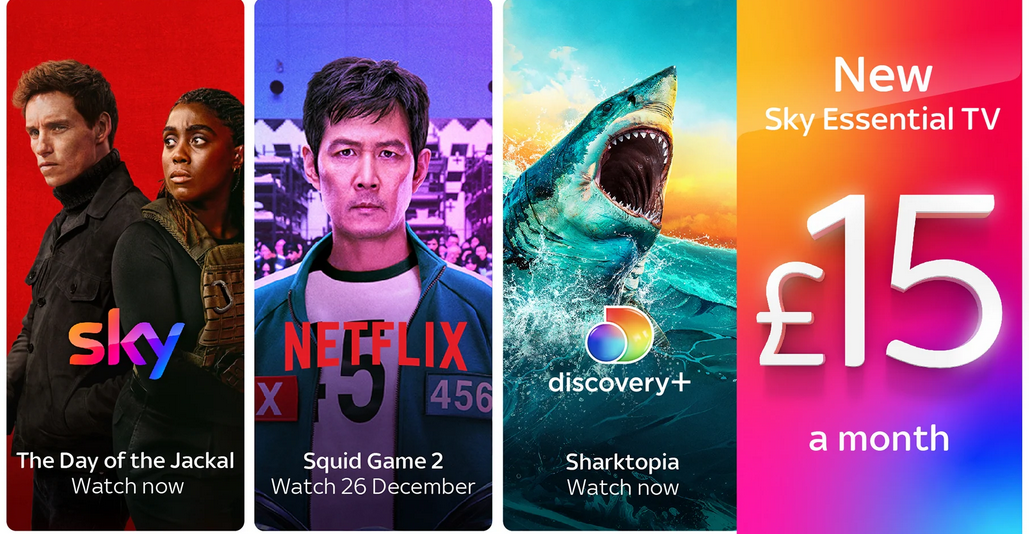
Sky TV operates on a tiered pricing model, offering base packages with optional add-ons. While it’s often perceived as premium-priced, many subscribers view it as good value due to the exclusivity of content—particularly sports.
Contracts typically run for 18 months, although streaming services like NOW provide more flexible, short-term options. Customers can bundle broadband, TV, and phone services, which often results in discounted rates compared to purchasing them separately.
Customer experience has evolved significantly over the years. Sky has invested in improved customer service, user-friendly apps, and online account management systems. The Sky Go app allows subscribers to watch content on mobile devices, ensuring entertainment on the move.
However, pricing transparency and promotional offers can sometimes be confusing for new customers. Negotiation at the end of a contract is common practice in the UK market, and many long-term customers secure better deals by renewing strategically. Overall, Sky remains competitive, though it operates in a crowded and rapidly evolving market.
Sky TV vs Streaming Giants
The rise of streaming platforms has fundamentally altered the television landscape. Services like Netflix and Amazon Prime Video offer vast libraries of on-demand content at relatively low monthly costs. This shift has forced traditional broadcasters, including Sky, to adapt quickly.
Sky’s advantage lies in live broadcasting, especially sports. Streaming platforms have made strides in original programming, but live sports remain a key differentiator. The immediacy and reliability of satellite broadcasting still appeal to millions of viewers.
Moreover, Sky has formed strategic partnerships rather than resisting change. Netflix, for example, is integrated into Sky Q, allowing users to access both services through one interface. This hybrid approach demonstrates Sky’s willingness to collaborate rather than compete head-on.
Still, the competition is intense. Streaming platforms invest billions in original content annually. To keep pace, Sky has significantly increased its own production budgets and expanded European co-productions. The battle is no longer just about distribution—it’s about exclusive, high-quality storytelling.
The Future of Sky TV
Looking ahead, Sky TV’s future appears focused on digital transformation and content innovation. Under Comcast’s ownership, Sky has access to global resources and cross-border collaboration opportunities. This strengthens its position in both the UK and European markets.
The shift toward internet-based delivery is likely to continue. While satellite remains important, broadband-powered streaming is becoming central to Sky’s strategy. This aligns with broader industry trends as consumers prioritize convenience and flexibility.
Content will remain king. Original productions, exclusive sports rights, and strategic partnerships will determine Sky’s long-term success. Investments in high-definition and immersive technologies, such as enhanced 4K and potential future innovations, will further differentiate the brand.
Ultimately, Sky TV’s resilience over decades proves its adaptability. From satellite pioneer to hybrid streaming powerhouse, it has continually reinvented itself. In a rapidly evolving media environment, that ability to evolve may be its greatest asset.
Conclusion
Sky TV is far more than just a television provider. It is a cornerstone of modern broadcasting in the UK and beyond. From securing exclusive Premier League rights to launching cutting-edge streaming services, Sky has consistently pushed boundaries.
Its blend of premium sports, cinematic experiences, technological innovation, and flexible streaming options keeps it relevant in a fiercely competitive market. While challenges from streaming giants persist, Sky’s strategic adaptability and strong brand loyalty position it well for the future.
For viewers seeking comprehensive entertainment—from live sports drama to blockbuster movies—Sky TV remains one of the most compelling options available today.