Introduction to peanut butter balls
Peanut butter balls are one of those desserts that manage to be simple, nostalgic, and incredibly satisfying all at the same time. Whether you grew up eating them during holidays or discovered them later through baking blogs and social media, peanut butter balls have become a beloved treat around the world. Their rich peanut flavor, creamy texture, and chocolate coating make them nearly impossible to resist.
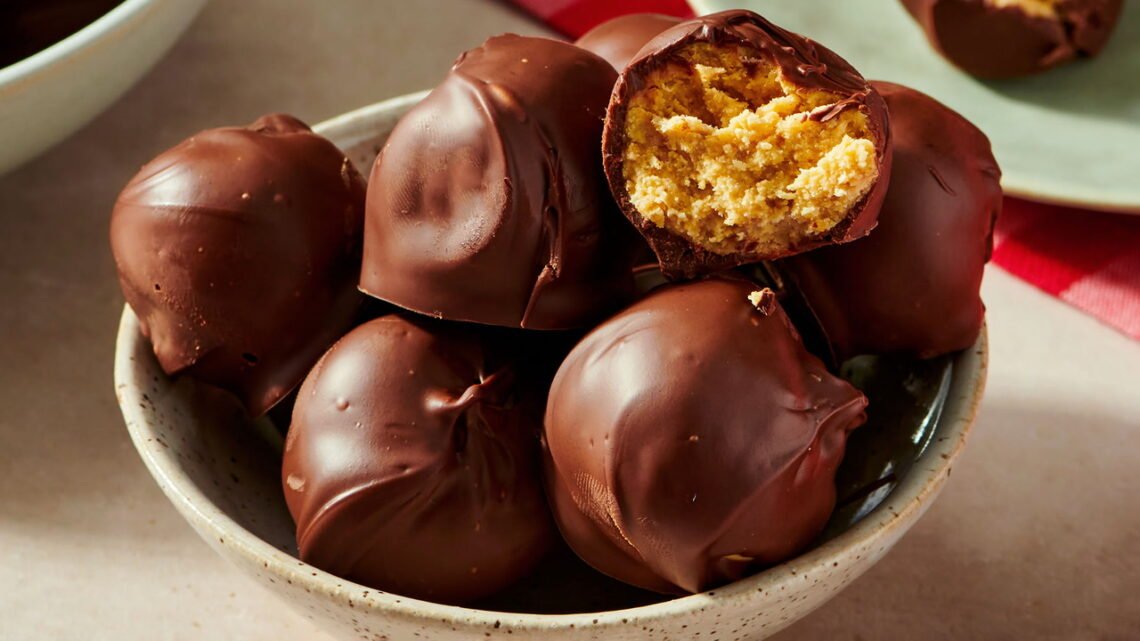
At their core, peanut butter balls are small bite-sized sweets made from peanut butter, powdered sugar, and butter, usually coated in chocolate. The combination creates a perfect balance between sweet, salty, and creamy flavors. What makes them even more appealing is that they are easy to make, require minimal ingredients, and often do not even need baking.
In this comprehensive guide, we will explore everything about peanut butter balls. From their origins and ingredients to preparation techniques, variations, storage tips, and even common mistakes to avoid. By the end of this article, you will not only understand why peanut butter balls are so popular, but you will also feel confident making them yourself like a seasoned dessert expert.
The History and Popularity of Peanut Butter Balls
Peanut butter balls may feel like a modern dessert, but their roots go back many decades. Peanut butter itself became widely popular in the United States in the early 20th century when manufacturers began producing it commercially. As peanut butter grew in popularity, home cooks began experimenting with ways to incorporate it into desserts.
One of the earliest inspirations for peanut butter balls is the famous “Buckeye” candy. Buckeyes are peanut butter balls partially dipped in chocolate so that the peanut butter center remains visible on top. They are especially popular in the state of Ohio and are named after the buckeye nut, which the candy resembles.
Over time, home bakers began creating full chocolate-coated peanut butter balls, which quickly became a staple dessert during holidays. They were particularly common during Christmas, Thanksgiving, and family gatherings because they were easy to prepare in large batches.
Today, peanut butter balls are enjoyed worldwide. They appear in bakeries, homemade dessert trays, and even gourmet candy shops. Their popularity continues to grow because they offer a nostalgic flavor while remaining adaptable to modern tastes and dietary trends.
Why Peanut Butter Balls Are So Popular
One of the biggest reasons peanut butter balls are so popular is their simplicity. Unlike many desserts that require complicated baking techniques, peanut butter balls can be made by almost anyone. Even beginners in the kitchen can successfully prepare them without much difficulty.
Another reason for their popularity is their perfect flavor balance. Peanut butter provides a salty, nutty richness that complements the sweetness of powdered sugar and chocolate. This combination creates a flavor profile that feels indulgent without being overwhelmingly sweet.
Texture also plays a major role in their appeal. The center is creamy and smooth, while the chocolate coating adds a satisfying snap when you bite into it. That contrast makes peanut butter balls incredibly enjoyable to eat.
Finally, they are extremely versatile. You can customize them with different ingredients, coatings, or fillings. Whether you prefer dark chocolate, milk chocolate, or white chocolate, peanut butter balls adapt easily to your personal taste.
Essential Ingredients for Perfect Peanut Butter Balls
While peanut butter balls are simple, the quality of the ingredients can significantly impact the final result. Choosing the right components ensures the best flavor and texture.
Peanut Butter
Peanut butter is the star ingredient of the recipe. Most traditional recipes use creamy peanut butter because it produces a smooth texture. However, some people enjoy using crunchy peanut butter for a bit of added texture.
Natural peanut butter can also be used, but it may require adjustments because it tends to be oilier and less stable than processed peanut butter.
Powdered Sugar
Powdered sugar helps sweeten the mixture while also providing structure. It thickens the peanut butter mixture, allowing it to be rolled into balls. Without powdered sugar, the mixture would be too soft to hold its shape.
Butter
Butter adds richness and helps bind the ingredients together. It also enhances the creamy texture of the filling. Most recipes call for softened butter to ensure easy mixing.
Chocolate
Chocolate coating is what transforms peanut butter balls from a simple mixture into a decadent candy-like dessert. Milk chocolate is the most commonly used option, but dark chocolate offers a richer and slightly less sweet alternative.
Some bakers also add a small amount of coconut oil or shortening to the chocolate to make it smoother and easier to coat.
Optional Ingredients
Many variations include additional ingredients such as vanilla extract, crushed graham crackers, rice cereal, or chopped nuts. These ingredients can add flavor, texture, and creativity to the final dessert.
Step-by-Step Guide to Making Peanut Butter Balls
Making peanut butter balls is straightforward, but following the correct steps ensures the best results.
Preparing the Peanut Butter Mixture
Start by combining peanut butter, softened butter, and powdered sugar in a large mixing bowl. The ingredients should be mixed thoroughly until a thick, dough-like consistency forms.
At this stage, you can add optional ingredients like vanilla extract or graham cracker crumbs if you want additional flavor.
Shaping the Balls
Once the mixture is ready, scoop small portions and roll them into balls using your hands. Most peanut butter balls are about one inch in diameter, but you can adjust the size depending on your preference.
Place the rolled balls on a baking sheet lined with parchment paper.
Chilling the Balls
Chilling is an important step because it firms up the peanut butter mixture. Place the tray in the refrigerator or freezer for at least 30 minutes. This makes it easier to coat them in chocolate later.
Melting the Chocolate
Melt the chocolate using either a microwave or a double boiler. Stir frequently to ensure the chocolate becomes smooth and glossy.
If desired, add a small amount of coconut oil or shortening to improve the consistency.
Coating the Peanut Butter Balls
Dip each chilled peanut butter ball into the melted chocolate using a fork or dipping tool. Make sure the ball is completely coated before placing it back on the parchment-lined tray.
Allow the chocolate to set completely before serving.
Popular Variations of Peanut Butter Balls
One of the most exciting aspects of peanut butter balls is the endless number of variations you can create. Small adjustments can completely change the flavor or texture of the dessert.
Chocolate Buckeye Style
This variation leaves a small circle of peanut butter visible at the top instead of coating the entire ball. It resembles the buckeye nut and is a traditional version enjoyed in many households.
Peanut Butter Coconut Balls
Adding shredded coconut to the mixture introduces a tropical twist. The coconut adds texture and a subtle sweetness that complements the peanut butter perfectly.
Peanut Butter Oat Balls
Some recipes include rolled oats, which add fiber and a chewy texture. These are often considered a slightly healthier version of the classic treat.
Dark Chocolate Peanut Butter Balls
Using dark chocolate instead of milk chocolate creates a more sophisticated flavor profile. The slight bitterness of dark chocolate balances the sweetness of the filling.
Protein Peanut Butter Balls
For a more nutritious snack, some people add protein powder, chia seeds, or flaxseeds to the mixture. This transforms peanut butter balls into a quick energy bite.
Tips for Making Peanut Butter Balls Like an Expert
Even though peanut butter balls are simple, a few expert tips can take them to the next level.
First, always chill the peanut butter mixture before dipping it in chocolate. This prevents the balls from falling apart and makes the coating process much easier.
Second, use high-quality chocolate whenever possible. Better chocolate melts more smoothly and creates a richer flavor.
Third, avoid making the peanut butter mixture too soft. If it feels sticky or difficult to roll, simply add a little more powdered sugar.
Finally, work quickly when dipping the balls in chocolate. If the peanut butter centers warm up too much, they may start to lose their shape.
How to Store Peanut Butter Balls
Proper storage helps maintain both flavor and texture.
Peanut butter balls can be stored in an airtight container in the refrigerator for up to two weeks. The cool temperature helps keep the chocolate firm and the filling fresh.
For longer storage, they can also be frozen. Simply place them in a freezer-safe container with parchment paper between layers to prevent sticking.
When ready to serve frozen peanut butter balls, allow them to sit at room temperature for about 10 to 15 minutes.
Common Mistakes to Avoid
Even experienced cooks occasionally make mistakes when preparing peanut butter balls.
One common mistake is using overly oily peanut butter. This can cause the mixture to become too soft and difficult to shape.
Another mistake is overheating the chocolate. Chocolate burns easily, which can lead to a thick, grainy texture that is difficult to work with.
Some people also skip the chilling step, which makes dipping the balls messy and frustrating.
Finally, using too much powdered sugar can make the filling overly sweet and crumbly. It is best to add sugar gradually until the mixture reaches the right consistency.
Peanut Butter Balls for Holidays and Special Occasions
Peanut butter balls are especially popular during holidays. Many families include them in Christmas cookie trays alongside fudge, truffles, and sugar cookies.
Because they can be made in advance and stored easily, they are perfect for parties and gatherings. Their small size also makes them ideal for dessert platters or gift boxes.
Some people decorate them with festive sprinkles, drizzle extra chocolate on top, or even add edible glitter for special occasions.
They are also a great homemade gift. A box of peanut butter balls wrapped with a ribbon can be a thoughtful and delicious present for friends and family.
The Future of Peanut Butter Balls
Despite their long history, peanut butter balls continue to evolve. Modern bakers experiment with new ingredients such as almond butter, cashew butter, or even sunflower seed butter for people with peanut allergies.
Health-conscious versions are also becoming popular. These recipes may replace powdered sugar with honey or maple syrup and include ingredients like oats, seeds, and dark chocolate.
Social media platforms have also played a major role in spreading creative peanut butter ball recipes. Food bloggers and home cooks constantly share new ideas that inspire others to experiment.
Because they are so adaptable, peanut butter balls will likely remain a favorite treat for generations to come.
Conclusion
Peanut butter balls are a timeless dessert that combines simplicity, flavor, and creativity. Their creamy peanut butter center and rich chocolate coating make them a satisfying treat that appeals to people of all ages.
One of the greatest things about peanut butter balls is how easy they are to make. With just a handful of ingredients and a little bit of preparation, anyone can create a batch of delicious homemade sweets.
Whether you prefer the classic recipe, a healthier variation, or a creative twist with new ingredients, peanut butter balls offer endless possibilities. They are perfect for holidays, gifts, parties, or simply enjoying as a sweet snack.